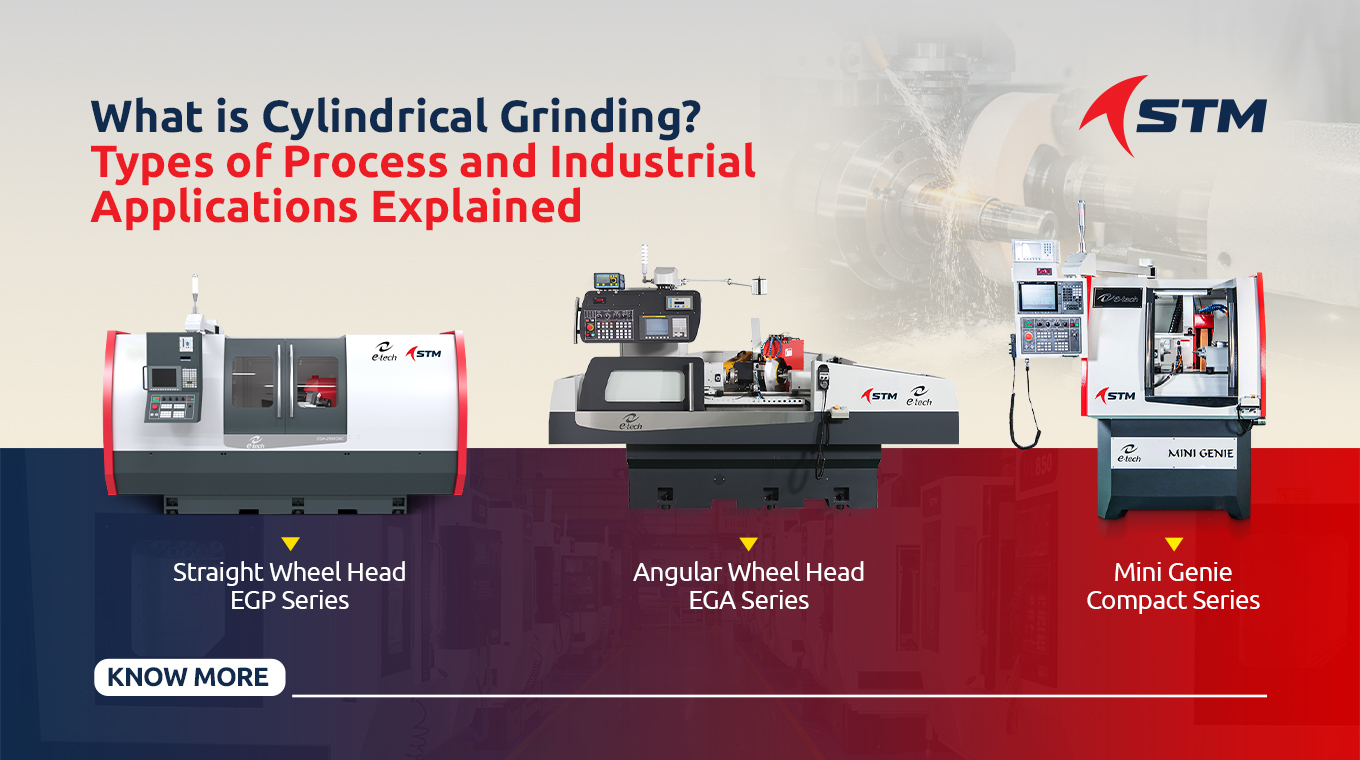
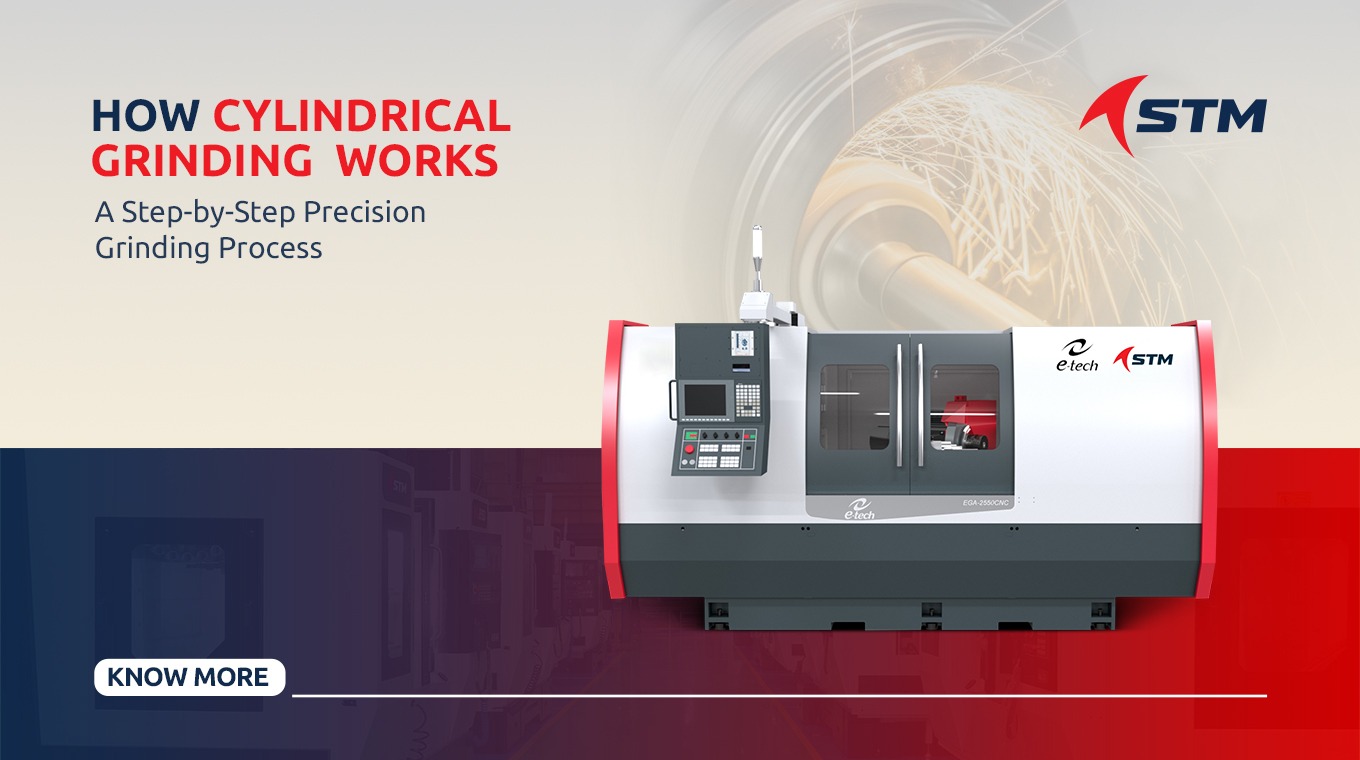
Precision components don't achieve their final quality through turning or milling alone. Many critical parts require a finishing process that delivers exceptional dimensional accuracy, roundness, and surface finish. This is where cylindrical grinding becomes an essential part of modern manufacturing.
Used across industries such as automotive, aerospace, heavy engineering, and hydraulic equipment, cylindrical grinding removes a small amount of material to produce components that meet strict engineering standards with consistent quality.
Why is Cylindrical Grinding Important?
Cylindrical grinding is typically the final machining process before a component is ready for assembly or use. It improves the accuracy and finish of cylindrical parts, ensuring they perform reliably under demanding operating conditions.
Key Benefits
- High dimensional accuracy
- Superior surface finish
- Improved roundness and concentricity
- Tight tolerance control
- Longer component life
- Consistent production quality
These advantages make cylindrical grinding an important process for manufacturers producing precision-engineered components.
How Does the Cylindrical Grinding Process Work?
The grinding process follows a series of controlled steps to achieve accurate and repeatable results.
Step 1: Preparing the Workpiece
The workpiece is cleaned, inspected, and securely mounted between centers or in a chuck. Proper alignment is essential to maintain dimensional accuracy throughout the grinding operation.
Step 2: Selecting the Grinding Wheel
The grinding wheel is chosen based on the workpiece material, hardness, and required surface finish. Selecting the right wheel helps improve machining efficiency and grinding performance.
Step 3: Precision Grinding
The workpiece rotates while the grinding wheel spins at high speed. Material is removed gradually until the required diameter, roundness, and surface finish are achieved. Machine settings such as wheel speed, feed rate, and depth of cut are carefully controlled throughout the process.
Step 4: Inspection
After grinding, the finished component is inspected for diameter, roundness, concentricity, and surface finish to ensure it meets the required specifications.
Common Challenges in Cylindrical Grinding
Achieving consistent results requires proper process control. Common challenges include grinding wheel wear, chatter marks, poor surface finish, excessive heat, and incorrect machine settings. Regular maintenance, proper wheel dressing, and optimized grinding parameters help overcome these issues and improve machining quality.
How STM Supports Precision Manufacturing
At STM, we develop CNC cylindrical grinding machines that help manufacturers achieve reliable accuracy and consistent performance. Designed with rigid machine construction and precision engineering, our grinding solutions support a wide range of industrial applications while improving productivity and machining stability.
Looking for a precision grinding solution? Contact STM today to find the right CNC cylindrical grinding machine for accurate, consistent, and high-quality component manufacturing.
Frequently Asked Questions
What is cylindrical grinding machine used for?
It is used to finish cylindrical components with high accuracy and superior surface quality.
Why is grinding performed after turning?
Grinding removes small imperfections and achieves tighter tolerances that conventional machining alone may not provide.
What industries use cylindrical grinding machines?
Automotive, aerospace, heavy engineering, hydraulic equipment, and precision engineering industries commonly rely on cylindrical grinding.
What affects grinding quality?
Machine rigidity, grinding wheel selection, workpiece alignment, coolant application, and machining parameters all influence the final result.