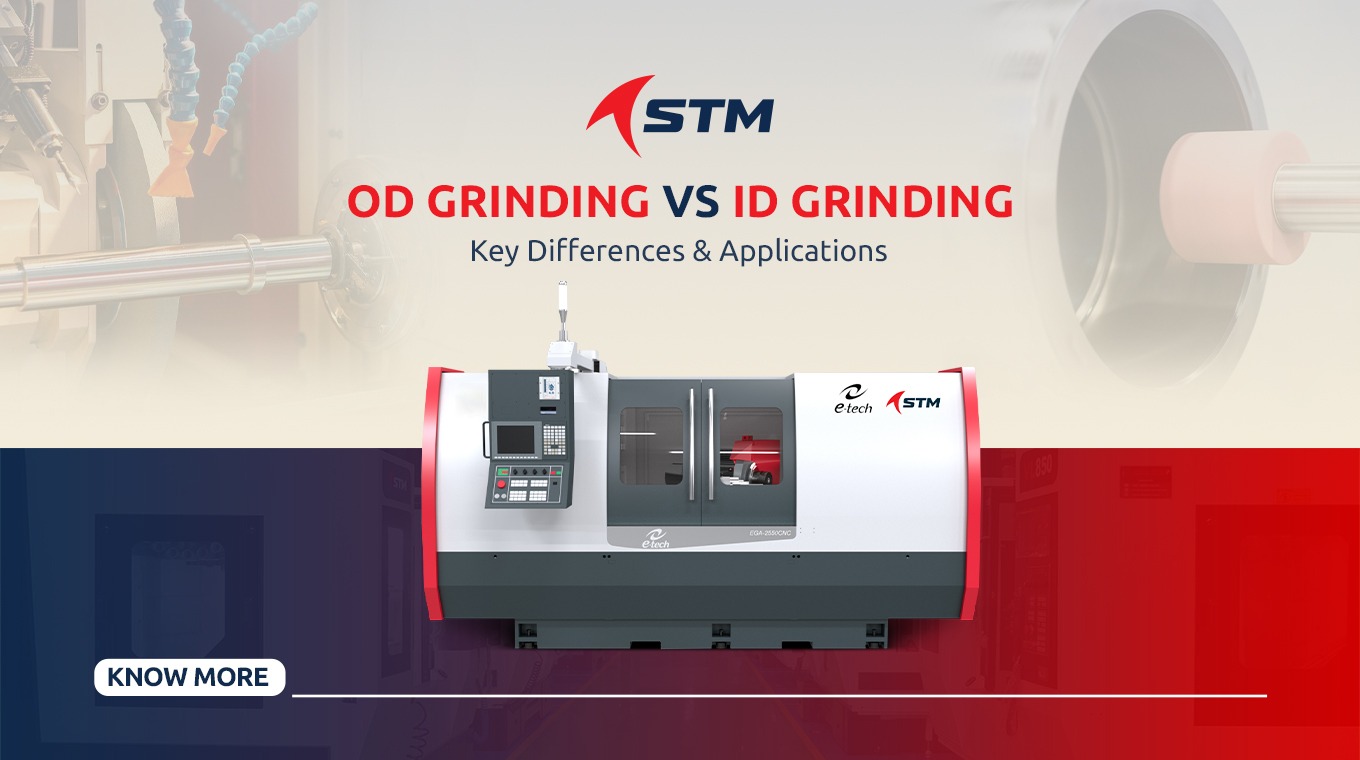
Precision grinding is essential for manufacturing components that require tight tolerances, superior surface finish, and reliable performance. Among the most widely used grinding methods are External Diameter (OD) Grinding and Internal Diameter (ID) Grinding. While both processes use abrasive grinding wheels to achieve high accuracy, they serve different purposes depending on the geometry of the workpiece.
Understanding the differences between OD and ID grinding helps manufacturers choose the right process for their production requirements.
What is OD Grinding?
External Diameter Grinding or OD Grinding is used to machine the outside surface of cylindrical components. During the process, the workpiece rotates while the grinding wheel removes material from its outer diameter to achieve the required size and finish.
Common OD Grinding Applications
- Shafts
- Rollers
- Spindles
- Pins
- Axles
- Transmission components
Key Benefits
- High dimensional accuracy
- Excellent roundness
- Superior surface finish
- Consistent outer diameter
- Improved component life
What is ID Grinding?
Internal Diameter Grinding or ID Grinding is used to machine the inside surface or bore of cylindrical components. A smaller grinding wheel enters the workpiece and removes material from the internal diameter to achieve precise dimensions and a smooth finish.
Common ID Grinding Applications
- Bushes
- Sleeves
- Bearing housings
- Hydraulic cylinders
- Precision bores
- Machine components
Key Benefits
- Accurate internal dimensions
- Smooth internal surface finish
- Better concentricity
- Tight internal tolerances
- Reliable component fit
OD Grinding vs ID Grinding
|
Feature |
OD Grinding |
ID Grinding |
|
Grinding Area |
Outer diameter |
Inner diameter |
|
Typical Components |
Shafts, rollers, spindles |
Bushes, sleeves, bearing housings |
|
Grinding Wheel |
Outside of workpiece |
Inside the workpiece |
|
Primary Focus |
External accuracy |
Internal accuracy |
|
Common Industries |
Automotive, heavy engineering |
Hydraulics, aerospace, precision engineering |
Which Process Should You Choose?
The right grinding process depends on the component design and functional requirements.
Choose OD Grinding when the external diameter, roundness, and surface finish are critical.
Choose ID Grinding when precise internal bores, bearing fits, or hydraulic sealing surfaces are required.
Many precision components require both OD and ID grinding to achieve complete dimensional accuracy and ensure proper assembly.
STM Precision Grinding Solutions
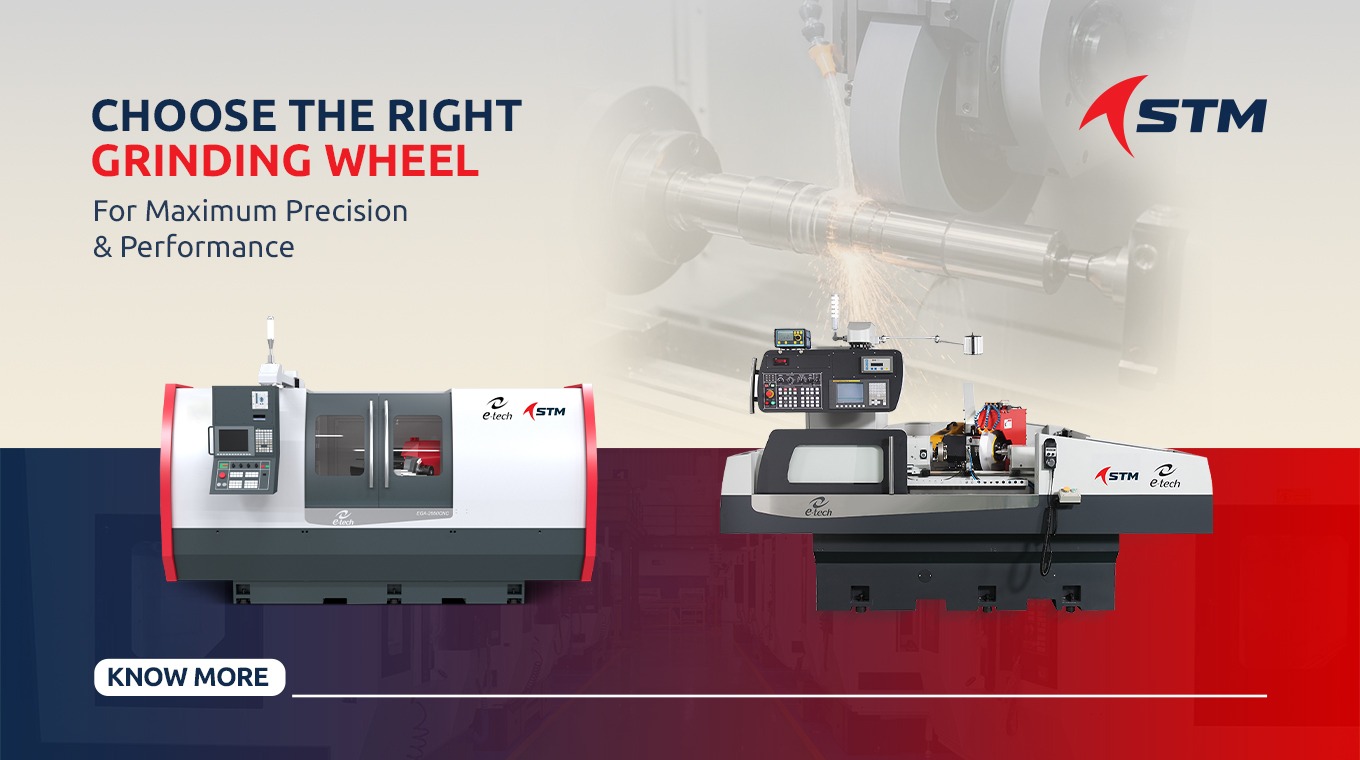
At STM, we offer CNC cylindrical grinding machines designed to deliver consistent accuracy, stable machining performance, and excellent surface finishes. Whether your application requires OD grinding, ID grinding, or both, our solutions are engineered to support precision manufacturing across a wide range of industries.
Need the right grinding solution? Contact STM today.
Frequently Asked Questions
Can one machine perform both OD and ID grinding?
Yes. Depending on the machine configuration, many CNC cylindrical grinding machines can perform both operations.
Which process is more accurate?
Both offer high precision. The choice depends on whether the critical dimension is the external or internal surface.
Which industries use OD and ID grinding?
Automotive, aerospace, hydraulic equipment, machine tools, heavy engineering, and precision manufacturing all rely on these grinding processes.
Why are OD and ID grinding important?
They ensure precise dimensions, better surface finish, improved component performance, and consistent product quality in precision manufacturing.